21 Jun 2023
Māori traditions when buying pounamu. Answering your FAQs.
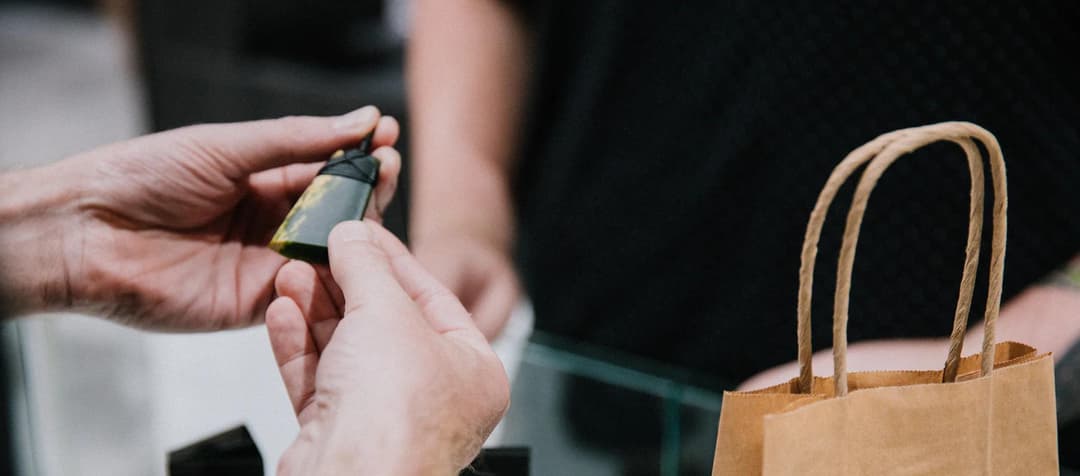
Māori traditions guide how pounamu is gifted, worn, and passed on, giving the stone deep meaning. These customs are part of what makes greenstone unique in New Zealand, and they continue to shape how people connect with it today.
When it comes to buying pounamu, many of our customers’ questions centre on these traditions and customs - from blessing and gifting, to recognising traditional designs, and even what to do if a piece is broken.
In this blog, we explore some of these FAQs and hope to shine a light on the questions you may have.
Blessing pounamu
Why is it a tradition in Māori culture to bless pounamu?
Pounamu has long been regarded as a tapu (sacred) part of te ao Māori (the Māori world) and a natural taonga (treasure) under the protection of ngā atua (the gods). To Māori, any person, place, or item considered tapu is believed to be restricted, prohibited, and untouchable, with the violation of tapu things leading to retribution and direct consequences from ngā atua. Tapu controls how people behave towards each other and the environment, helping to protect people and natural resources.
Appropriate karakia (prayers and blessings) or ceremonies, often including water, were used to mitigate and remove tapu, making things noa (ordinary, unrestricted, and free from the extensions of tapu) and placing them firmly in the human world. For this reason, it is customary within Māori culture to bless pounamu before it is worn.
Do you have to bless pounamu before it can be worn or gifted?
Whether you choose to bless your pounamu is entirely up to you and comes down to your personal beliefs and connection to Māori culture and traditions.
Do we bless our pounamu at Mountain Jade?
No, we do not bless our pounamu. We believe it is up to the individual to choose if they want to bless their pounamu before they wear or gift it.
How can I bless my pounamu?
If you would like to bless your pounamu, we recommend reaching out to your local marae. We do not offer a blessing service. There are also some contemporary practices to bless your pounamu and honour past traditions that you could embrace depending on your beliefs and connection with Māori culture and the natural world. These include blessing the pounamu yourself by placing it in a river or stream and saying a karakia (prayer) or blessing the pounamu with the person receiving the gift so that the blessing is passed from you to the gift receiver.
You can learn more about blessing pounamu here.

Gifting pounamu
Why is it a tradition in New Zealand to gift pounamu?
Koha (gifts, offerings, and contributions) is an important part of tikanga Māori and involves the act of giving and reciprocity. In traditional Māori society, koha often took the form of food, although valuable items such as cloaks, ornaments, or weapons were sometimes offered. Pounamu weapons, tools, and adornments (such as the Hei Tiki) were considered especially valuable koha as the stone was treasured for its strength and the time-consuming process of crafting such items was well understood.
The gifting of pounamu spans far back in Māori history, and it has long been the belief that as heirlooms are gifted and passed down through generations, they increase in mana (prestige) and carry with them rich histories and stories. It is also thought that pounamu has spiritual value and takes on the mauri (life force or essence) of the person wearing or wielding the stone - and as it is passed down through generations, it continues to encapsulate the spirit, energy, and strength of previous wearers.
Prized for its physical and spiritual properties, it is no surprise that gifting pounamu is still a tradition today and that the stone is often used as a gift for significant milestones, as a symbol of respect, and to show someone your love and appreciation. To be gifted a piece of pounamu signifies much about the relationship between the giver and receiver.
Can I buy pounamu for myself?
Considering that gifting pounamu has a strong presence throughout Māori history, there is no wonder some people believe that it should only be gifted. However, there is no reason why you can't purchase pounamu as a gift for yourself, especially if you feel a connection to a particular piece of pounamu or are drawn to certain design. It will not be seen as disrespectful to cultural traditions if you buy pounamu for yourself, but once again, it comes down to your personal beliefs and connection to Māori culture and traditions.
Today, many people purchase pounamu for themselves to connect with New Zealand and celebrate the place they love.
You can learn more about gifting pounamu here.
When can I gift pounamu?
Due to the physical and spiritual significance of pounamu, it was traditionally gifted on important occasions as a symbol of honour, respect, and permanence - reflecting the esteem in which the gift giver held the person or group they were making the gift. Pounamu heirlooms or weapons of great status were also exchanged between parties as symbols of peace agreements.
Today, pounamu is gifted to celebrate significant milestones such as birthdays, anniversaries and graduations, classic holidays such as Christmas, Valentine's Day and Mother's Day, and to honour new births, weddings, voyages, and personal achievements. Yet, it is also gifted with no particular occasion or reason in mind - as a symbol of love and appreciation.
The design you choose can help you portray a message to the person you are gifting.
Broken pounamu
What is the significance of a broken pounamu?
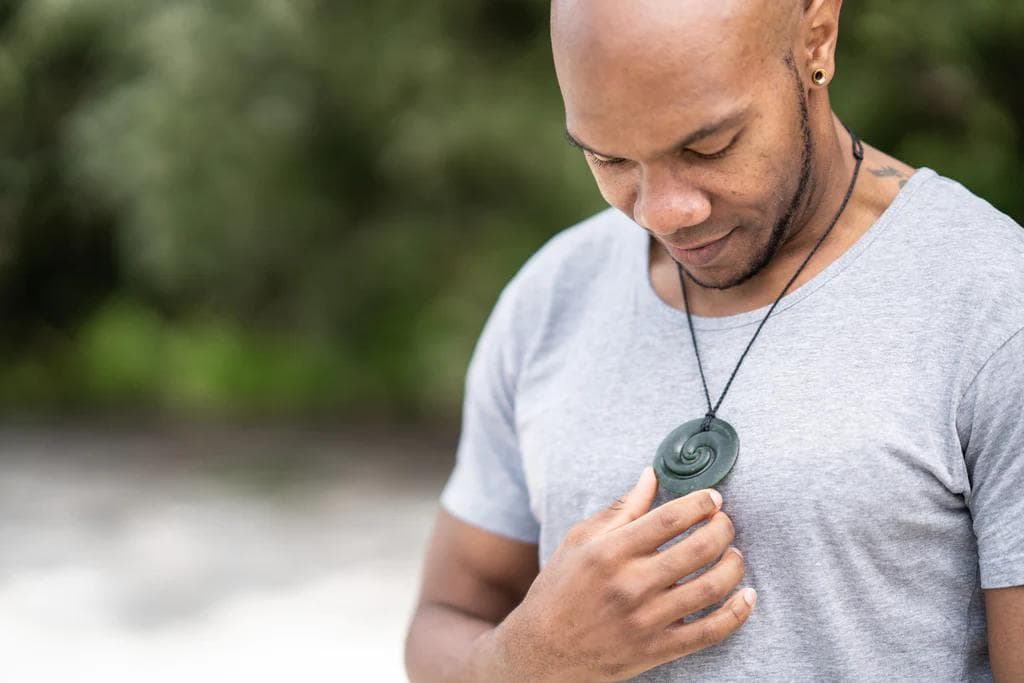
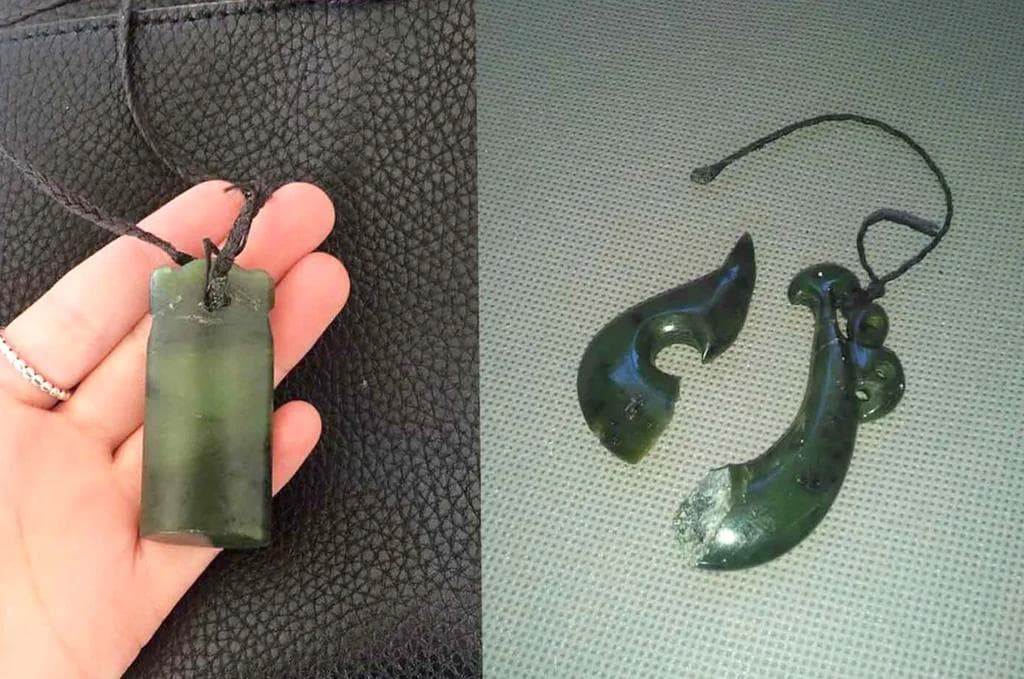
In Te Ao Māori (the Māori world), a broken pounamu indicates that a message is being sent from our spiritual guides. It is a symbol that we should stop and pay attention to our life and what's going on around us.
What should I do with my broken pounamu?
Some iwi believe that a broken pounamu should be offered back to the land and that the stone should be buried. Whether you choose to bury your pounamu is entirely up to you and comes down to your personal beliefs and connection to Māori culture and traditions. We recommend contacting your marae for further advice.
Can you fix my broken pounamu?
Depending upon the extent of the damage, we may be able to fix your broken pounamu. If your pounamu is snapped, chipped or cracked, or your cord has become unraveled around the stone, learn about your repair options here.
If you just need a simple replacement cord they can be purchased here.
Traditional Pounamu Designs
What are traditional pounamu pendant designs?
Traditional Māori personal adornments took a wide variety of forms, including head, neck and ear adornments, and were crafted from wood, bone, and stone. One of the highest achievements of early pounamu artistry, and now a cultural signifier, is the Hei Tiki. European records of early encounters with Māori document the Hei Tiki being worn around the neck by both men and women. Other Māori pendant artifacts crafted from pounamu date back to the 1600’s and include Manaia, Hei Matau, and Pekapeka designs.
Today, common pounamu designs also include Toki (Adze), Koru, Pikorua (Twist), Roimata (Drops), Hearts, Ferns, Breastplates, Discs and Niho (Tooth). These are considered contemporary pounamu designs, but their meanings can be connected to features of New Zealand’s history, culture, and nature.
Does each design have a unique meaning?
Many design meanings stem from historical accounts of Māori life and rich mythological and spiritual beliefs. Others are symbolic of New Zealand’s unique and beautiful natural environment. Visit the Meanings & Designs Page to learn more about our popular pounamu designs.
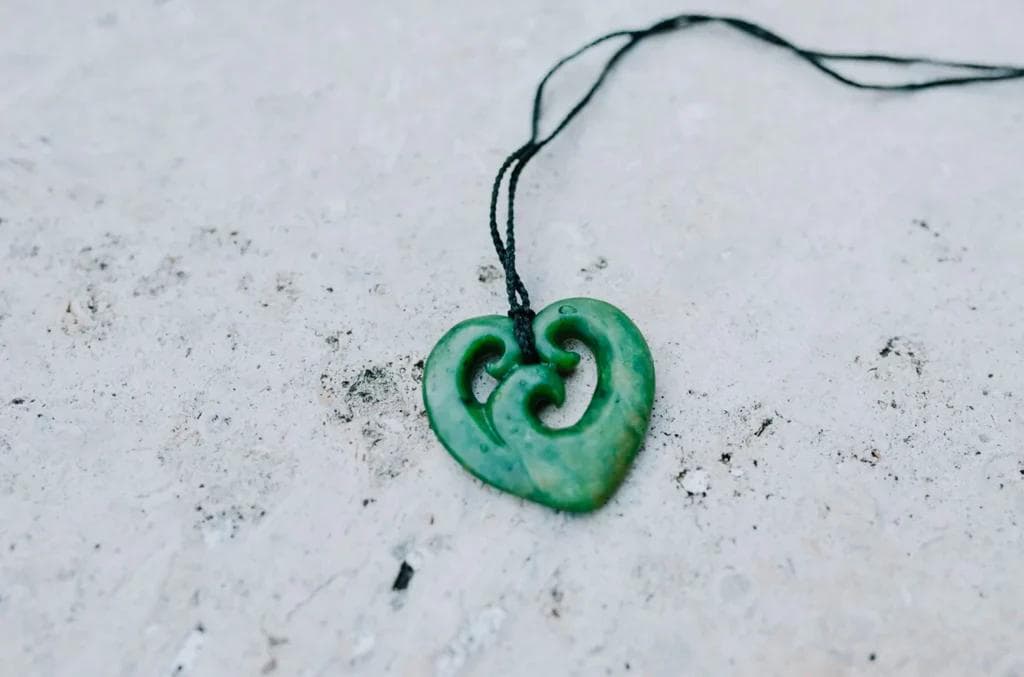
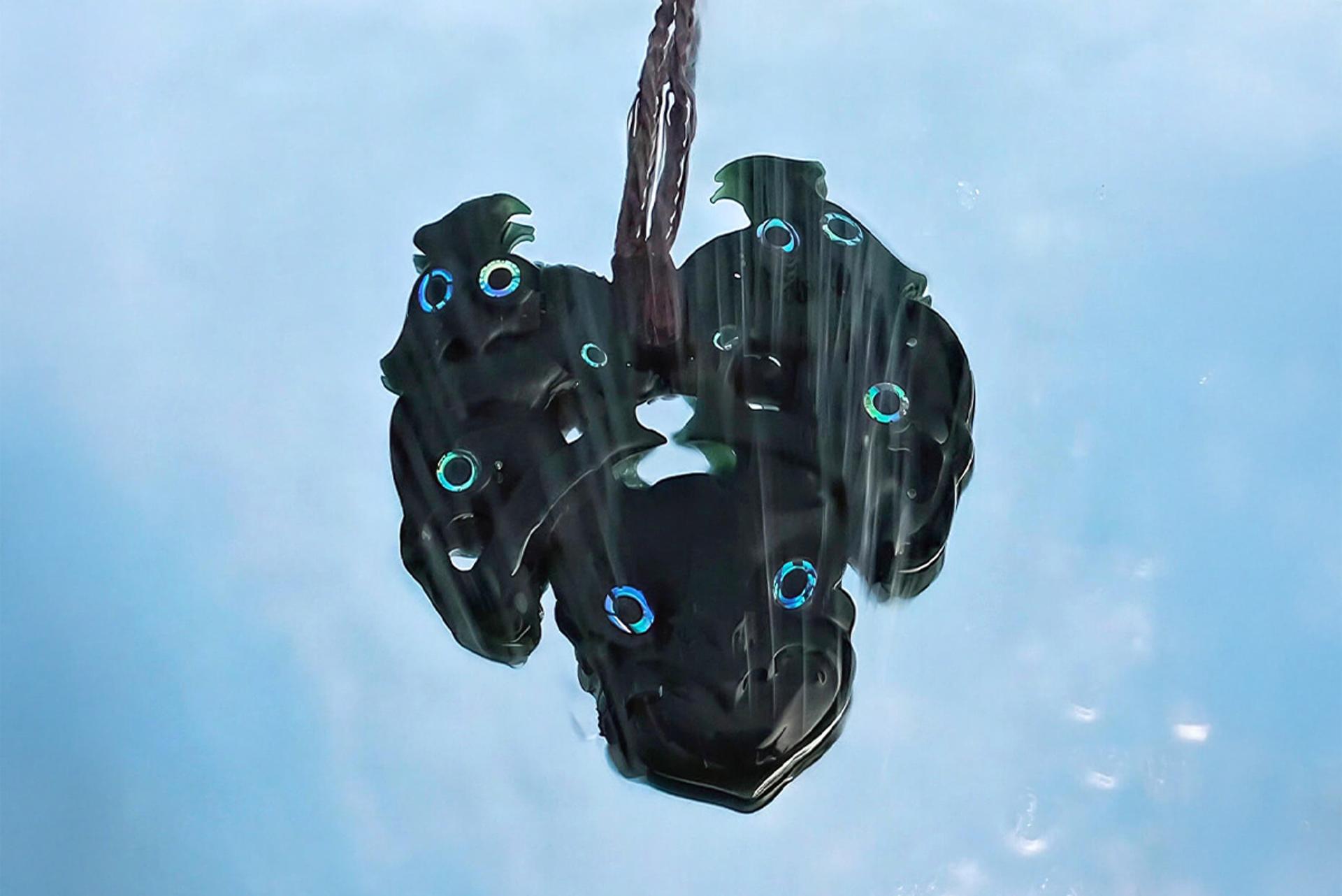
We often get asked about specific aspects of our designs, particularly when many motifs combine in one piece or if a design slightly deviates from the norm. You can presume if a carving has characteristics of multiple designs, such as the pendant below which incorporates the heart and koru motif, then the piece was designed to embody both meanings.
We always try to include specific meanings in our product descriptions.
With the pikorua (twist) design, we often get asked if the number of twists, such as a single, double, or triple twist, holds a particular meaning. Twist designs are always symbolic of love and represent an everlasting bond between two people - usually the giver and receiver of the pounamu. When it comes to the double and triple twist, some people like to interpret the number of twists in the design as representing the number of connections between people, such as a triple twist connecting a mother, father, and child. However, this is down to personal interpretation.
Finally, the design of many pounamu carvings is simply down to an artist’s interpretation of a well-known design and its meaning. It may be named a koru but look slightly, or significantly, different from other koru carvings in our collection. Pushing the boundaries with pounamu art is something we celebrate at Mountain Jade and our artists regularly carve new contemporary designs that embody the meaning of our classic styles.
Ultimately, what a design means can come down to the personal interpretation and intention of the giver, or the life stories and journey of the wearer.
More
Blog Articles
Black Friday is here - Get 20% or 30% OFF
For a LIMITED TIME ONLY, grab 20% or 30% OFF selected items in our Black Friday SALE. This offer is available ONLINE ONLY and while stocks last. Promotion begins 09:00 NZT Wed 18 Nov 2026, and ends 09:00 NZT Tue 01 Dec. Shop Now. Excludes work by: Tamaora Walker, Akapita Scally, Luke Gardiner, Garry Fairbrother, Creative Jade and Nick Von K. Items in our Nga Tamariki O Tane Mahuta and Gemstone collections are also excluded. As well as select gold pieces and a limited number of select items. Discount not applicable on Gift Wrap, Ketes, Gift Cards and Tours.
Our carvers take on the Rotorua Marathon
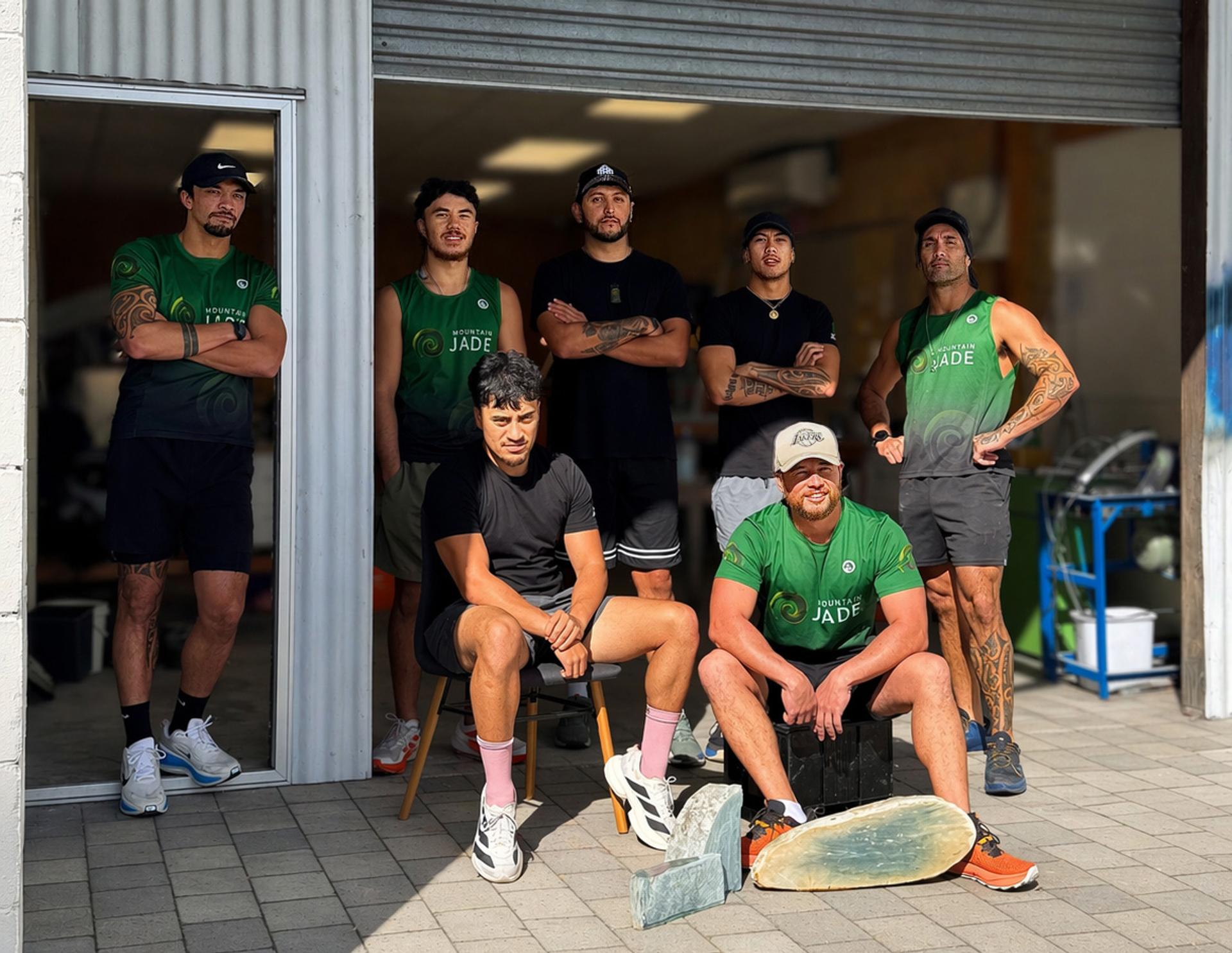
This year, all eight of our Rotorua Mountain Jade Carving Studio team will be participating in the iconic Rotorua Marathon - which takes place on Sat 2nd May 2026.
Finding Authentic Jade in Auckland
Tāmaki Makaurau (Auckland) is often the first and last stop for travellers exploring New Zealand. It is also where the search begins for authentic New Zealand jade, also known as pounamu. Whether purchasing a gift for someone special or for yourself, knowing where to buy genuine New Zealand jade, matters.