03 Mar 2017
Blessing Your Jade Necklace
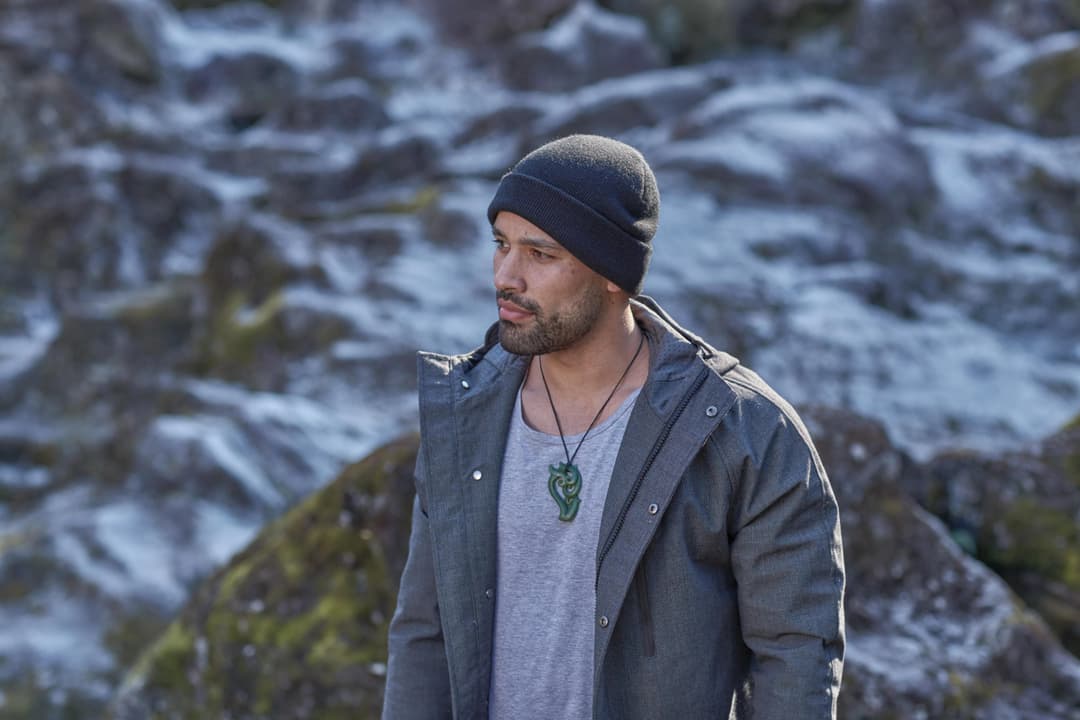
A stone with so much history is bound in tradition and superstitious belief. Jade comes with a traditional set of customs and a strong cultural significance in its many origin countries. One of the major beliefs that we get asked about at Mountain Jade, is whether one needs to bless their jade necklace. We believe this comes down to your own personal belief system however to help our customers make educated decisions we thought it best to research the reasons this belief has come about and what traditions it has strong ties too. As we delve into the subject we'll ensure we keep a neutral stance.
Understanding Tapu and Noa
The custom of blessing has strong origins within traditional Māori culture, not just with pounamu. This is due to the fact that the Māori people often based their lives around the concept of ‘tapu’. Tapu is a supernatural condition applied to people, objects, behaviours or customs by rangatira (chiefs) or tohunga (experts) who acted as channels for the atua, working on their behalf. Atua are supernatural entities; gods, demons or deitys - and the term is now used to denote meaning to the Christian God. Many Māori trace their ancestry back through atua in their whakapapa (genealogical line). It was also used as a way of rationalising and perceiving elements of the world that couldn’t be explained. Atua and tapu was used much like a modern religion, being the governing force behind behaviours of the Māori.
Everything natural, built, carved or belonging to priests or other persons highly ranked, had tapu, which meant it was connected to the spirit world and the atua. Before these could be touched, used or eaten a blessing had to be performed to remove the tapu, this was called noa. Noa or being 'freed from tapu' most commonly came from karakia (prayer), water or food blessings, however it can be achieved by any form of blessing if the result is to remove or neutralize the tapu. Noa was a practice used to sever the ties from the spiritual world, keeping it firmly in their human world. As tapu was literally tied to everything, noa would have to be performed whenever the Māori received, made or cooked anything, or for key moments in their life.
These parameters were put in place to protect the environment and people ensuring that they both flourished in unison and that everything and everyone was granted the respect that was deserved. Members of a community would not violate the tapu for fear of retribution, including bad luck, punishment or even death as a result of angering the atua in which it was connected to. This was why the noa blessings were so important and performed regularly within the Māori culture. Women, particularly ruahine were integral in this process (whakanoa) and seen as potent symbols of tapu removal.
People were born with tapu and those who could trace their ancestry back through atua in their whakapapa were considered higher up than others, under the gods special care. It was up to each individual to maintain and preserve their own tapu and respect the tapu of others and places. Māori society was a hierarchy in which men and women maintained their tapu, just as they maintained their villages by protecting their boundaries. Tapu rules regulated how they ate, with whom they ate and what they did with anything else that would be related to their persons. Certain situations would give people more tapu, such as; woman giving birth, warriors going to battle and men carving.
VIEW TRADITIONAL PENDANTS
Māori carvings were sacred
Te Toi Whakairo is the art of Māori carving and was considered a tapu art because the wood was seen as part of Tāne, atua of the forests. Even the pieces of wood falling aside from the carving were never thrown away nor used to burn but taken by the tohunga to be blessed and severed from their sacred source. This alone is a huge clue as to why it's thought blessing ones pounamu carving is necessary, as the stone itself was seen by many as part of Papatūānuku, the earth atua so considered tapu, meaning the act of carving the pounamu was also tapu.
Legend says, Ruatepupuke, who was the grandson of the sea god Tangaroa, discovered the art of carving. The myth goes that Ruatepupukes own son, Manuruhi, had an un-satisfiable appetite for seafood. To help meet his wants, Ruatepupuke fashioned a stone into a lure that would bring fish to them. He called this stone Te Whatukura-o-Tangaroa (the sacred stone of Tangaroa), this angered Tangaroa as his name was used without his permission. When Manuruhi tried the lure he caught large amounts of fish but did not offer the first one back to Tangaroa, this aggravated him even more and thus he decided to punish his great-grandson by turning him into a tekoteko (carving) and submerging him into the depths of the ocean to sit on the top of his house. Ruatepupuke noticed his son was missing and went to seek him by diving into the depths of the ocean. This is where he found carvings, singing and talking and he asked them where his son was. He bought some of these carvings back with him and his son and these were known as the first tekoteko.
Blessing your jade necklace
Due to the historical attachment between carving and the spiritual realm and the concept of tapu – it’s no wonder the belief of blessing ones jade came to fruition in the modern day. Although the practice of traditional blessings is less prevalent in modern day society, it is still used to say thanks for food, as welcomes and also as a farewell to the deceased. The meanings of such have changed and thus the concept of tapu has also been altered to fit into the modern day world. It seems however; these customs have kept their attachment to jade in personal belief systems of many people.
We do not bless our jade. We believe that even if one did want their particular stone blessed due to their personal belief, it should be once they have the stone for themselves and prior to the new owner wearing it and bringing it into their home. As the traditional concept of blessing comes from severing the natural stones ties to gods and the spiritual realm, the individual should forge their own connection with the stone as a replacement. It should be up to the person receiving the stone as to whether they wish to partake in this belief because belief is personal, different between individuals, comprised of their experience and the social and cultural forces at play around them. Our role in this discussion is to empower you with knowledge.
If you would like to bless your New Zealand Pounamu or find more information on what certain hapu believe, or would like a karakia for blessing pounamu, we recommend contacting your local marae who will be able to best advise on how to bless a pounamu.
More
Blog Articles
Black Friday is here - Get 20% or 30% OFF
For a LIMITED TIME ONLY, grab 20% or 30% OFF selected items in our Black Friday SALE. This offer is available ONLINE ONLY and while stocks last. Promotion begins 09:00 NZT Wed 18 Nov 2026, and ends 09:00 NZT Tue 01 Dec. Shop Now. Excludes work by: Tamaora Walker, Akapita Scally, Luke Gardiner, Garry Fairbrother, Creative Jade and Nick Von K. Items in our Nga Tamariki O Tane Mahuta and Gemstone collections are also excluded. As well as select gold pieces and a limited number of select items. Discount not applicable on Gift Wrap, Ketes, Gift Cards and Tours.
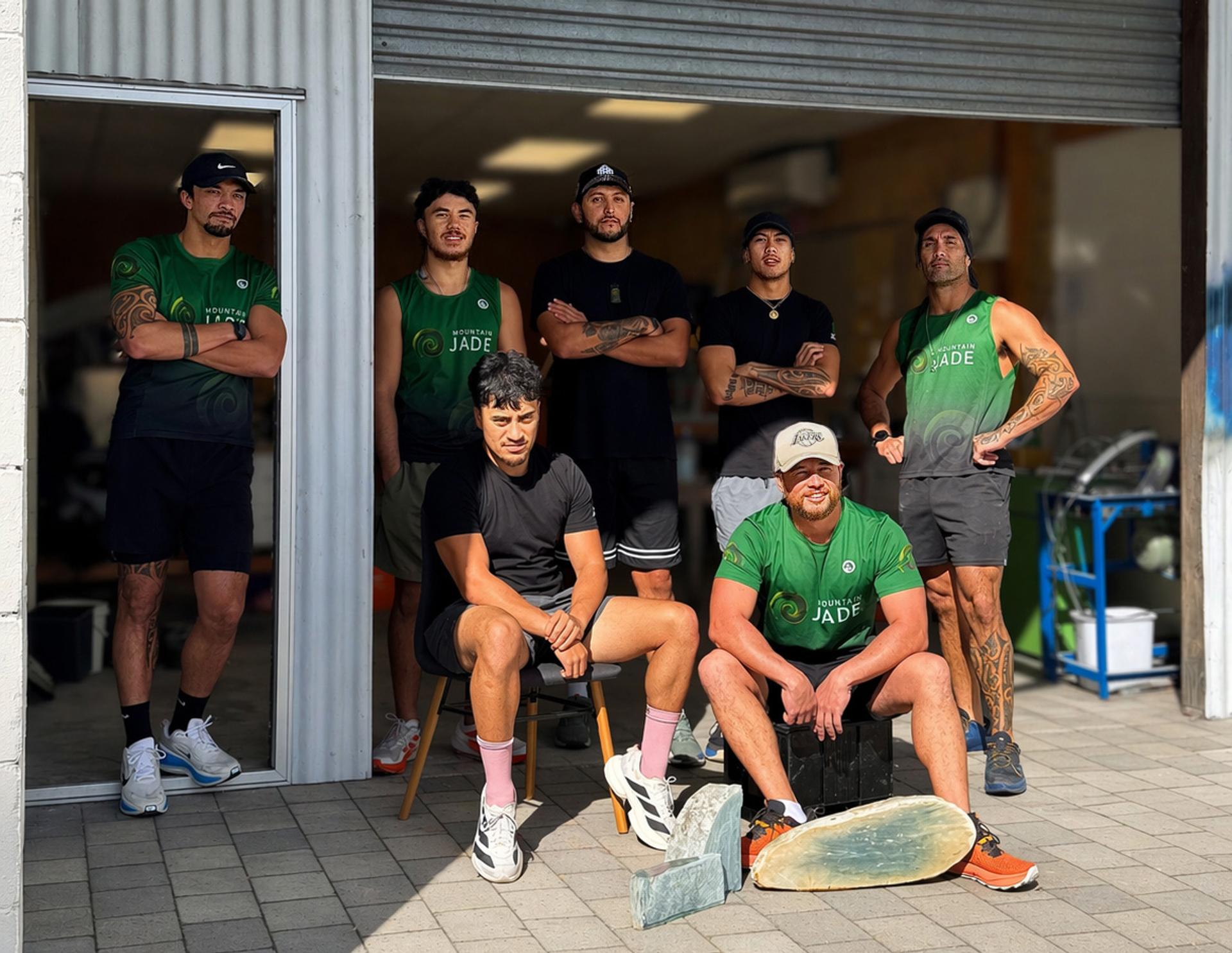
Our carvers take on the Rotorua Marathon
This year, all eight of our Rotorua Mountain Jade Carving Studio team will be participating in the iconic Rotorua Marathon - which takes place on Sat 2nd May 2026.
Finding Authentic Jade in Auckland
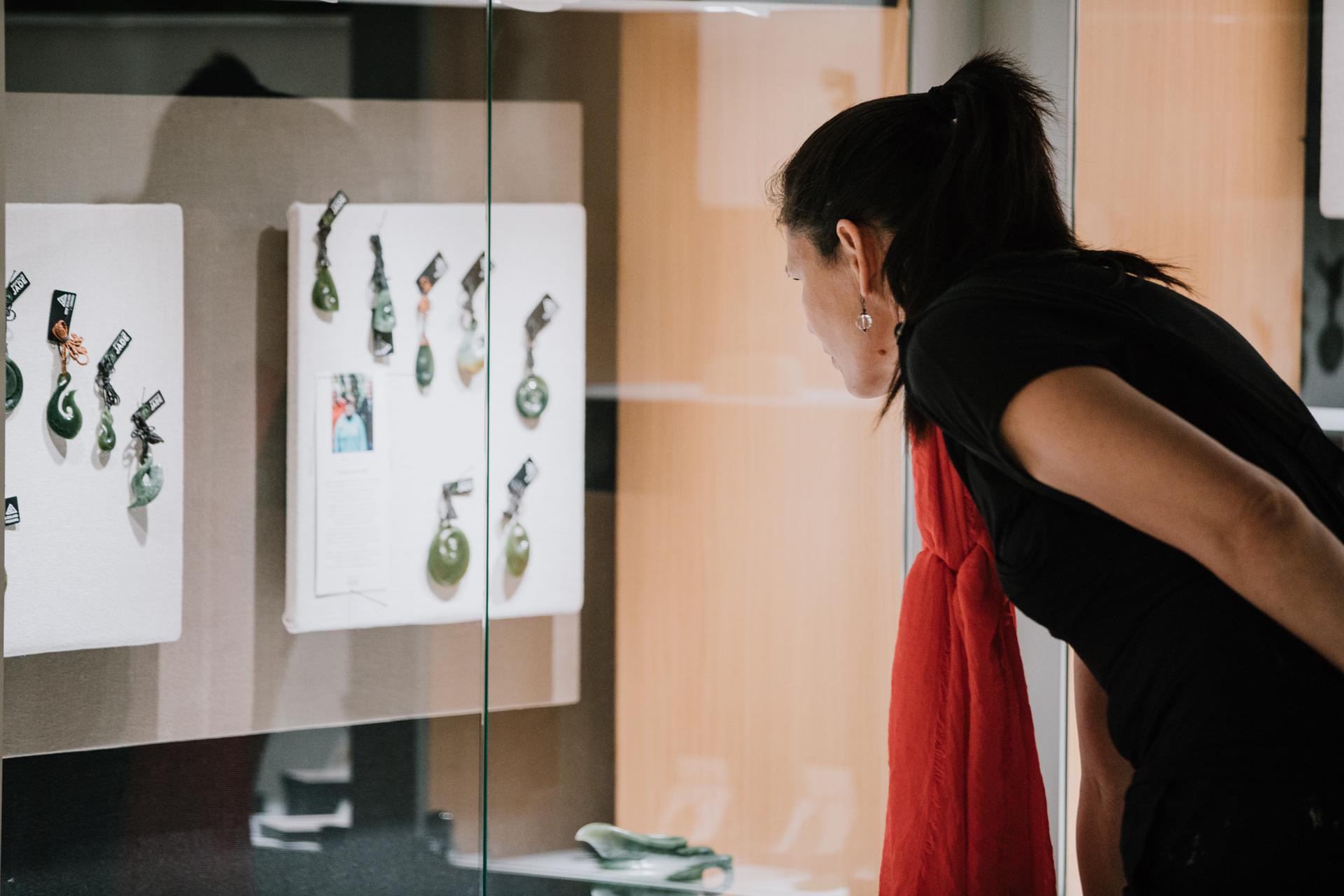
Tāmaki Makaurau (Auckland) is often the first and last stop for travellers exploring New Zealand. It is also where the search begins for authentic New Zealand jade, also known as pounamu. Whether purchasing a gift for someone special or for yourself, knowing where to buy genuine New Zealand jade, matters.